Why visit this destination?
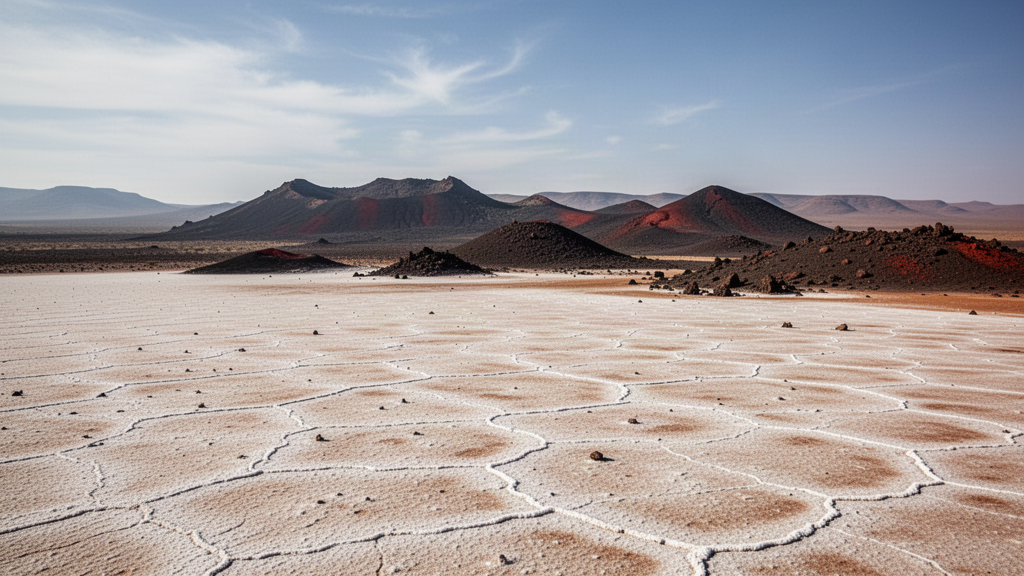
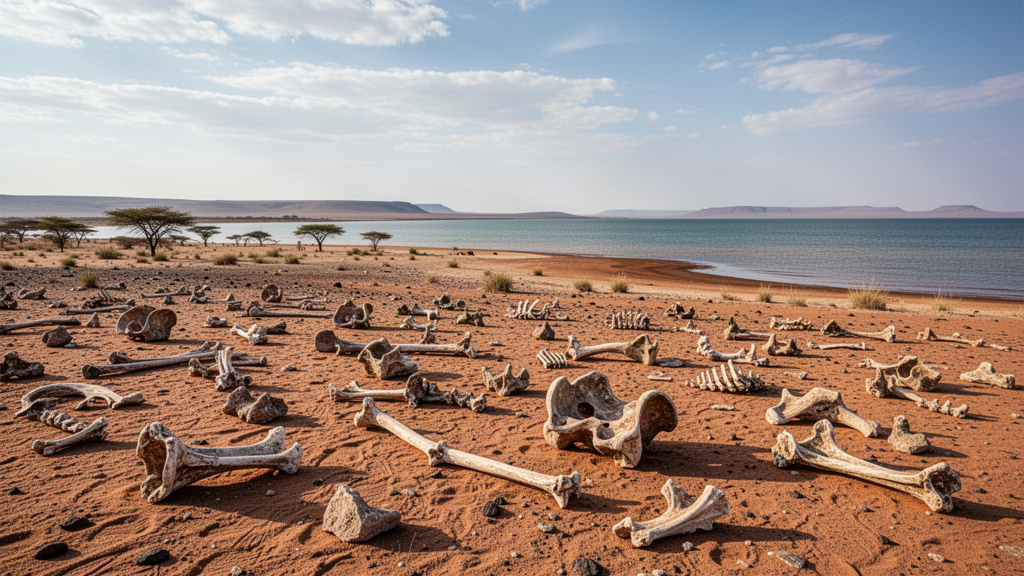
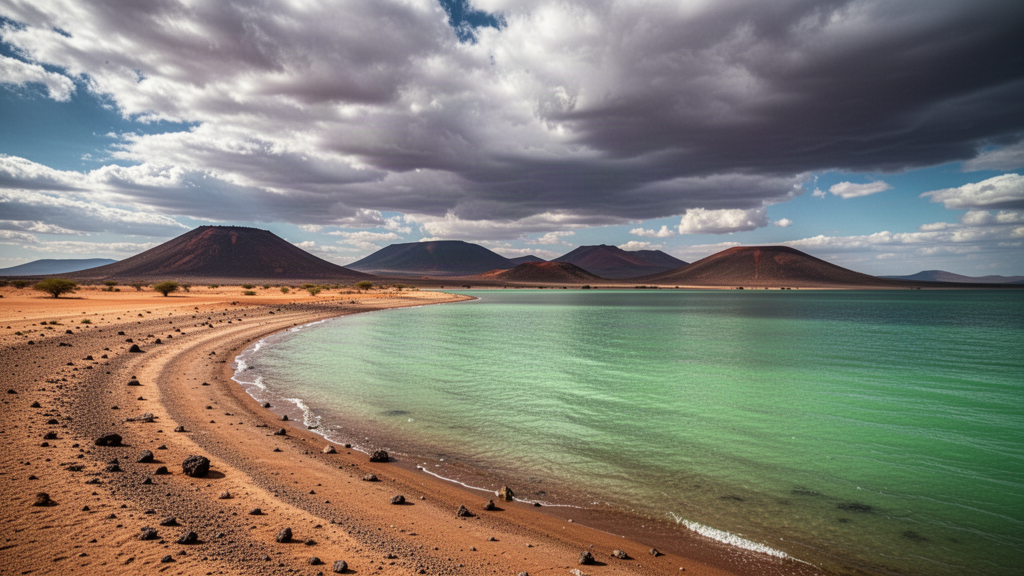
A vast arid landscape in northern Kenya where salt flats, volcanic terrain and remote settlements define the experience.
A vast arid landscape in northern Kenya where salt flats, volcanic terrain and remote settlements define the experience.
Why Chalbi Desert is worth the journey
A vast arid landscape in northern Kenya where salt flats, volcanic terrain and remote settlements define the experience. The strongest reason to visit is the destination's own character rather than its similarity to better-known Kenyan stops.
What you can actually experience
Build the visit around desert landscapes and expedition travel. Choose one defining experience and add complementary activities that suit the season and your pace.
How to plan the timing
Timing depends on weather, access, activity availability and the reason you are travelling. Build enough flexibility to experience the destination rather than simply passing through it.
Getting there and moving around
Plan the route from the previous stop as carefully as the destination itself. Consider road conditions, transfer time, daylight and domestic air options where available.
Who it suits
adventure, photography is a natural fit, with the final choice depending on accommodation, season, access and the pace of your wider itinerary.
What to combine it with
Marsabit, Chalbi Desert, Sibiloi, Loiyangalani and Lake Turkana can form an expedition-style northern route.
How Chalbi Desert fits a Kenya itinerary
Marsabit and the far north require more deliberate routing than the classic safari circuit, but reward that commitment with desert, volcanic, archaeological and Lake Turkana landscapes.
A smarter way to experience Chalbi Desert
Build the visit around desert landscapes and expedition travel rather than trying to collect every nearby attraction. Give Chalbi Desert a clear role in the itinerary, then leave enough time to notice the landscape, people and details that make this place different.
Practical considerations for Chalbi Desert
Before travelling, confirm current opening hours, access rules, road or trail conditions and any booking requirements. For Marsabit travel, allow realistic transfer time and carry the basics appropriate to the season and activity.
Travel with context
A responsible visit to Chalbi Desert means respecting wildlife space, local customs, heritage, private property and community-led experiences. Ask before photographing people, follow site guidance and choose experiences that keep local communities part of the value chain.
Turn information into a better trip.
Weather, wildlife patterns, marine conditions and access can change what a destination feels like.
Map the destination against the rest of your route so the journey stays enjoyable rather than rushed.
Families, couples, photographers and private groups often need very different pacing and accommodation.
What is special about Chalbi Desert?
Its appeal comes from its Marsabit setting and its focus on desert landscapes and expedition travel. The experience is specific to this place rather than interchangeable with another Kenya destination.
What should I do at Chalbi Desert?
Prioritise desert landscapes and expedition travel, then add one or two complementary activities that fit your season and available time.
How long should I spend at Chalbi Desert?
The right stay depends on access and your priorities. A short stop can work for a focused visit; a longer stay makes more sense when the destination itself is the main reason for travelling.
When is the best time to visit Chalbi Desert?
There is no universal answer. Match the season to what you want to see or do, and check current conditions before travelling.
How do I get to Chalbi Desert?
Choose road or air based on your route, transfer time and the amount of time you want to spend experiencing the destination.
Who is Chalbi Desert best for?
It can suit adventure, photography, provided the season, accommodation and daily pace match the travellers.
What can I combine with Chalbi Desert?
Marsabit, Chalbi Desert, Sibiloi, Loiyangalani and Lake Turkana can form an expedition-style northern route.
What should I know before adding a remote northern Kenya stop?
Marsabit and the far north require more deliberate routing than the classic safari circuit, but reward that commitment with desert, volcanic, archaeological and Lake Turkana landscapes.
Is Chalbi Desert suitable for a private trip?
Yes. A private itinerary can adjust departure times, transport, accommodation, activity mix and pacing around the people travelling.
More from Marsabit
Lake Turkana
The Jade Sea is one of Kenya's most remote landscapes, where desert, archaeology and lake culture meet.
Read guideMarsabit National Park
A forested mountain oasis rising from northern Kenya's arid country, with crater lakes and unusual wildlife habitat.
Read guideMount Marsabit
A volcanic mountain rising unexpectedly from the northern desert, creating a green island of forest and crater lakes.
Read guideMore places for adventure, photography
Hell's Gate Gorge
A dramatic gorge within the Hell's Gate landscape, offering a close-up experience of Rift Valley geology.
Explore this guideMount Suswa
A volcanic mountain and expansive Rift Valley landscape suited to adventurous travellers seeking a less conventional Kenya experience.
Explore this guideOl Donyo Sabuk Summit
A mountain summit experience with broad views across the surrounding plains and highlands.
Explore this guideExplore the subject further.
Ready to make this more than research?
Share your dates, travellers and priorities. We will shape the relevant destinations into a practical Kenya journey.