
Why visit this destination?
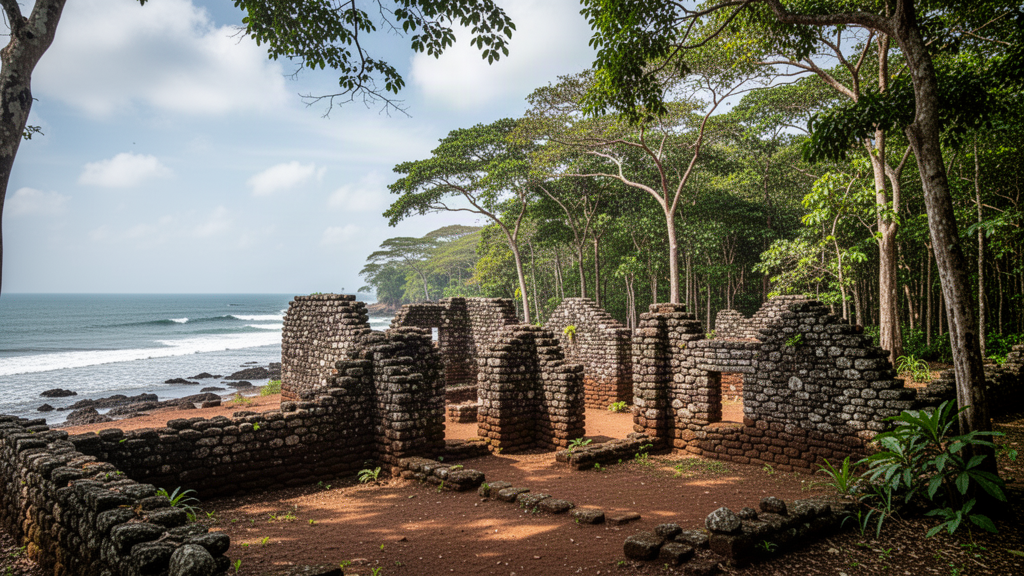
An archaeological Swahili settlement hidden in coastal forest, offering a compelling window into East African history.
An archaeological Swahili settlement hidden in coastal forest, offering a compelling window into East African history.
Why Gedi Ruins is worth the journey
A historic Swahili city in coastal forest, newly inscribed on UNESCO's World Heritage List in 2024.
What you can actually experience
UNESCO describes Gedi as an important Swahili city of the 10th–17th centuries, with domestic, religious and civic architecture and a sophisticated water-management system.
How to plan the timing
The archaeological site works best when paired with other north-coast heritage and coastal experiences, rather than treated as an isolated stop.
Getting there and moving around
Gedi is inland from the Watamu/Malindi coastal zone, making it straightforward to combine with a north-coast itinerary by road.
Who it suits
History lovers, photographers, cultural travellers and visitors who want context for the Swahili coast.
What to combine it with
Pair with Watamu, Malindi, Arabuko Sokoke or a longer Lamu journey.
How Gedi Ruins fits a Kenya itinerary
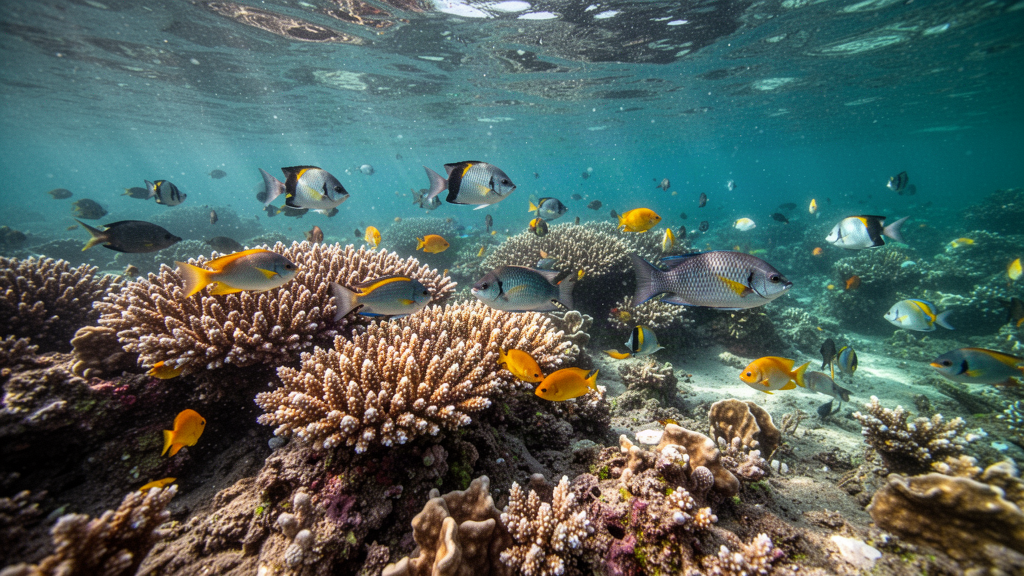
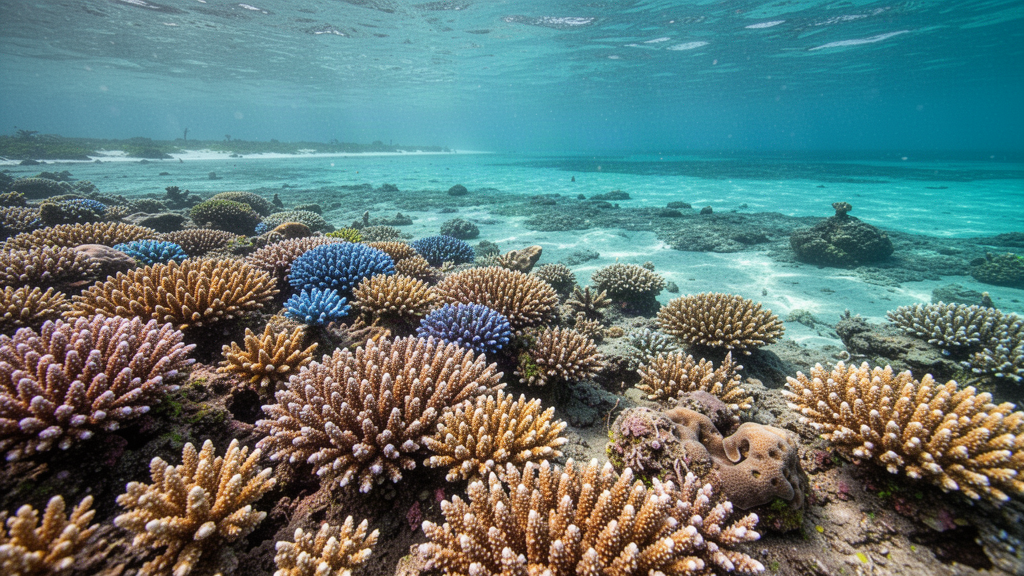
Kilifi's north-coast setting is well suited to travellers interested in beaches, marine life, coastal forests and Swahili heritage.
A smarter way to experience Gedi Ruins
Build the visit around ruins, archaeology and forest setting rather than trying to collect every nearby attraction. Give Gedi Ruins a clear role in the itinerary, then leave enough time to notice the landscape, people and details that make this place different.
Practical considerations for Gedi Ruins
Before travelling, confirm current opening hours, access rules, road or trail conditions and any booking requirements. For Kilifi travel, allow realistic transfer time and carry the basics appropriate to the season and activity.
Travel with context
A responsible visit to Gedi Ruins means respecting wildlife space, local customs, heritage, private property and community-led experiences. Ask before photographing people, follow site guidance and choose experiences that keep local communities part of the value chain.
Turn information into a better trip.
Weather, wildlife patterns, marine conditions and access can change what a destination feels like.
Map the destination against the rest of your route so the journey stays enjoyable rather than rushed.
Families, couples, photographers and private groups often need very different pacing and accommodation.
What is special about Gedi Ruins?
A historic Swahili city in coastal forest, newly inscribed on UNESCO's World Heritage List in 2024.
What should I do at Gedi Ruins?
UNESCO describes Gedi as an important Swahili city of the 10th–17th centuries, with domestic, religious and civic architecture and a sophisticated water-management system.
How long should I spend at Gedi Ruins?
The right stay depends on access and your priorities. A short stop can work for a focused visit; a longer stay makes more sense when the destination itself is the main reason for travelling.
When is the best time to visit Gedi Ruins?
The archaeological site works best when paired with other north-coast heritage and coastal experiences, rather than treated as an isolated stop.
How do I get to Gedi Ruins?
Gedi is inland from the Watamu/Malindi coastal zone, making it straightforward to combine with a north-coast itinerary by road.
Who is Gedi Ruins best for?
History lovers, photographers, cultural travellers and visitors who want context for the Swahili coast.
What can I combine with Gedi Ruins?
Pair with Watamu, Malindi, Arabuko Sokoke or a longer Lamu journey.
Can this be combined with Watamu, Malindi or Gedi?
Kilifi's north-coast setting is well suited to travellers interested in beaches, marine life, coastal forests and Swahili heritage.
Is Gedi Ruins suitable for a private trip?
Yes. A private itinerary can adjust departure times, transport, accommodation, activity mix and pacing around the people travelling.
More from Kilifi
Watamu Marine National Park
A protected coastal seascape of coral reefs, marine life and beaches on Kenya's north coast.
Read guideMalindi Marine National Park
A marine destination where coral gardens, clear waters and Malindi's long coastal history meet.
Read guideArabuko Sokoke Forest
A globally important coastal forest where rare birds, butterflies and forest ecology make the journey worthwhile.
Read guideMore places for history, culture
Fort Jesus
Mombasa's landmark Portuguese fort, offering a powerful entry point into the layered history of the Kenyan coast.
Explore this guideThimlich Ohinga
A remarkable dry-stone enclosure and UNESCO World Heritage property revealing the depth of western Kenya's archaeological heritage.
Explore this guideLang'ata Cemetery
A historic cemetery landscape in Nairobi that forms part of the city's layered history.
Explore this guideExplore the subject further.
Ready to make this more than research?
Share your dates, travellers and priorities. We will shape the relevant destinations into a practical Kenya journey.