What should you know before you go?
Understand Kenya's Big Five safari experience and why sightings should be treated as wildlife encounters rather than guarantees.
Kenya is known for diverse wildlife landscapes, but no responsible safari operator can guarantee every animal or sighting. The strength of a safari lies in the quality of the ecosystem and the process of observing wildlife.
Lion and leopard
Large carnivores can be found in several Kenyan ecosystems, but sightings depend on location, season, behaviour and luck. Good guiding improves interpretation without creating false promises.
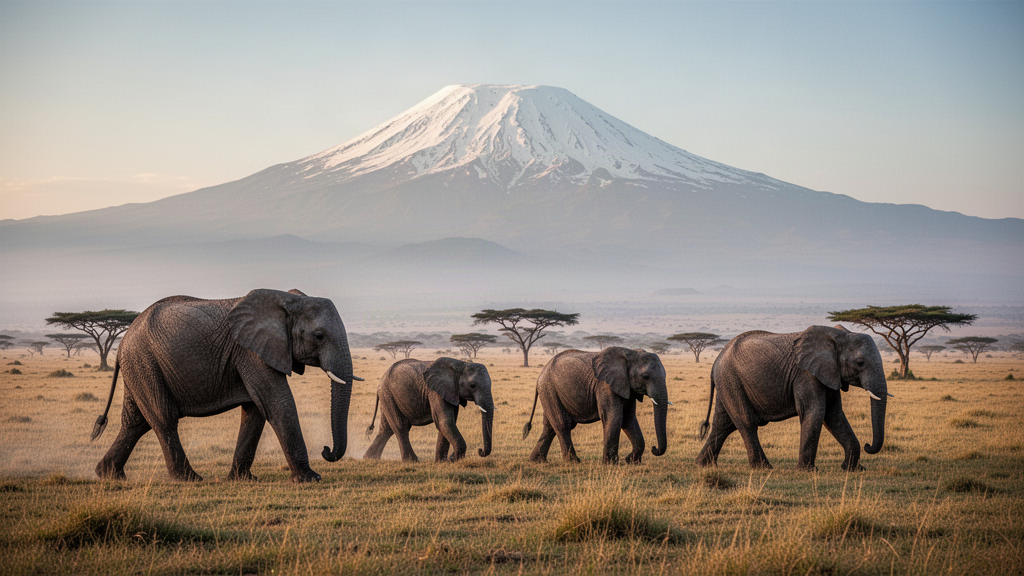
Elephant and buffalo
Amboseli, Tsavo, Maasai Mara and other destinations can provide opportunities to observe large herbivores in very different landscapes.
Rhino conservation
Ol Pejeta and Lake Nakuru are important parts of Kenya's rhino story. Conservation status and access conditions should be checked before travel.
Think beyond five species
Cheetahs, giraffes, zebras, hippos, birds, primates and many smaller species add depth to the safari experience.
Turn information into a better trip.
Weather, wildlife patterns, marine conditions and access can change what a destination feels like.
Map the destination against the rest of your route so the journey stays enjoyable rather than rushed.
Families, couples, photographers and private groups often need very different pacing and accommodation.
Can I guarantee seeing the Big Five?
No. Wildlife is wild and sightings cannot responsibly be guaranteed. A good itinerary maximises opportunities while setting realistic expectations.
Where can I see rhinos in Kenya?
Ol Pejeta and Lake Nakuru are among the destinations associated with rhino conservation, subject to current wildlife conditions.
Explore the subject further.
Ready to make this more than research?
Share your dates, travellers and priorities. We will shape the relevant destinations into a practical Kenya journey.