
What should you know before you go?
A thoughtful introduction to Lamu Old Town, Swahili architecture, dhow culture and slow island travel.
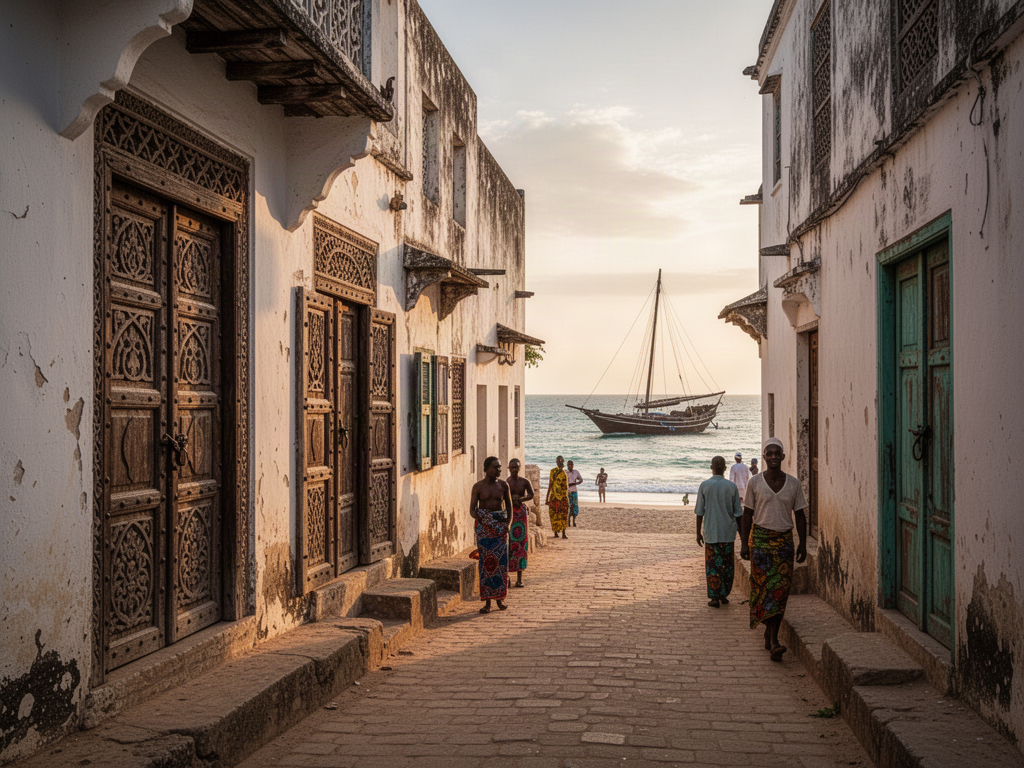
Lamu is a living heritage destination. Its narrow streets, architecture, maritime culture and food are best experienced slowly and with respect for residents.
Living heritage
Lamu Old Town is a UNESCO World Heritage Site and remains a living community. Travellers should approach historic streets, homes, places of worship and public spaces with care.
Dhow culture and the Indian Ocean
The ocean has shaped Lamu's history and daily life. Local guides and boat operators can add context to maritime traditions, fishing, sailing and island geography.
Culture through food and architecture
Swahili cuisine, carved doors, coral-stone buildings and narrow streets provide an accessible way to understand the layered history of the coast.
Travel slowly
Lamu is particularly suited to travellers who value culture, architecture, food, photography, honeymoon travel and quiet experiences rather than a tightly packed sightseeing schedule.
Turn information into a better trip.
Weather, wildlife patterns, marine conditions and access can change what a destination feels like.
Map the destination against the rest of your route so the journey stays enjoyable rather than rushed.
Families, couples, photographers and private groups often need very different pacing and accommodation.
Is Lamu suitable for a honeymoon?
Its slower island rhythm, heritage, architecture and ocean setting can suit couples seeking a culturally rich and relaxed coastal journey.
What should I experience in Lamu?
Consider heritage walks, architecture, Swahili food, maritime experiences and locally guided cultural activities.
Explore the subject further.
Ready to make this more than research?
Share your dates, travellers and priorities. We will shape the relevant destinations into a practical Kenya journey.